


#157 Leveraging Head-Mounted Displays for High-Stakes Unmanned Aerial Vehicle Navigation
When drone pilots transition from consumer photography to industrial applications—infrastructure inspection, search and rescue, or precision agriculture—the limitations of standard tablet or smartphone screens become immediately apparent. Glare, limited resolution, and the constant need to glance down break situational awareness. Over the past several years, we have worked alongside unmanned systems operators to integrate head-mounted display technology into high-precision drone navigation. The results speak for themselves: faster reaction times, reduced pilot fatigue, and significantly improved mission accuracy. In this article, we share key insights we've gathered about using VR with headset solutions for professional drone operations.
Achieving Unbroken Visual Focus During Critical Maneuvers
The first advantage we consistently observe is uninterrupted line of sight. When a drone operator uses a handheld screen, each glance downward removes attention from the physical environment—a dangerous gap during low-altitude or obstacle-rich flights. A quality head-mounted display places telemetry, video feed, and navigation data directly in front of the pilots' eyes. This means the operator never looks away from the drone's position. For VR with headset configurations that prioritize low latency, the real-time video stream remains synchronized with joystick inputs, enabling centimeter-level precision during landing or object retrieval. We have seen inspection teams reduce approach errors by over 40% after switching to a dedicated head-mounted display.
Reducing Physical Strain on Extended Missions
Second, professional drone operations often last hours—inspecting power lines, pipelines, or crop health across vast areas. Holding a tablet or craning toward a fixed monitor causes neck fatigue, shoulder tension, and declining concentration. An ergonomically refined head-mounted display distributes weight evenly, allowing pilots to maintain neutral postures while keeping the drone's perspective always visible. Moreover, when we integrate VR with headset features like customizable diopter adjustment, operators with prescription eyewear no longer need to remove their glasses or strain against blurry optics. This user-oriented focus directly translates to safer, more consistent performance across long shifts.
Adapting to Challenging Environmental Conditions
Third, outdoor drone missions rarely occur in ideal lighting. Bright sun washes out tablet screens; rain or dust threatens exposed displays. A robust head-mounted display shields the visual feed from ambient light, ensuring consistent contrast and visibility even in direct sunlight or low-cloud conditions. We have engineered our solutions for robust environmental adaptability, maintaining visual performance across complex environments—from desert heat to coastal humidity. When paired with VR with headset features like adjustable brightness and anti-fog considerations, pilots maintain reliable situational awareness regardless of weather or terrain.
Our Commitment at GOOVIS
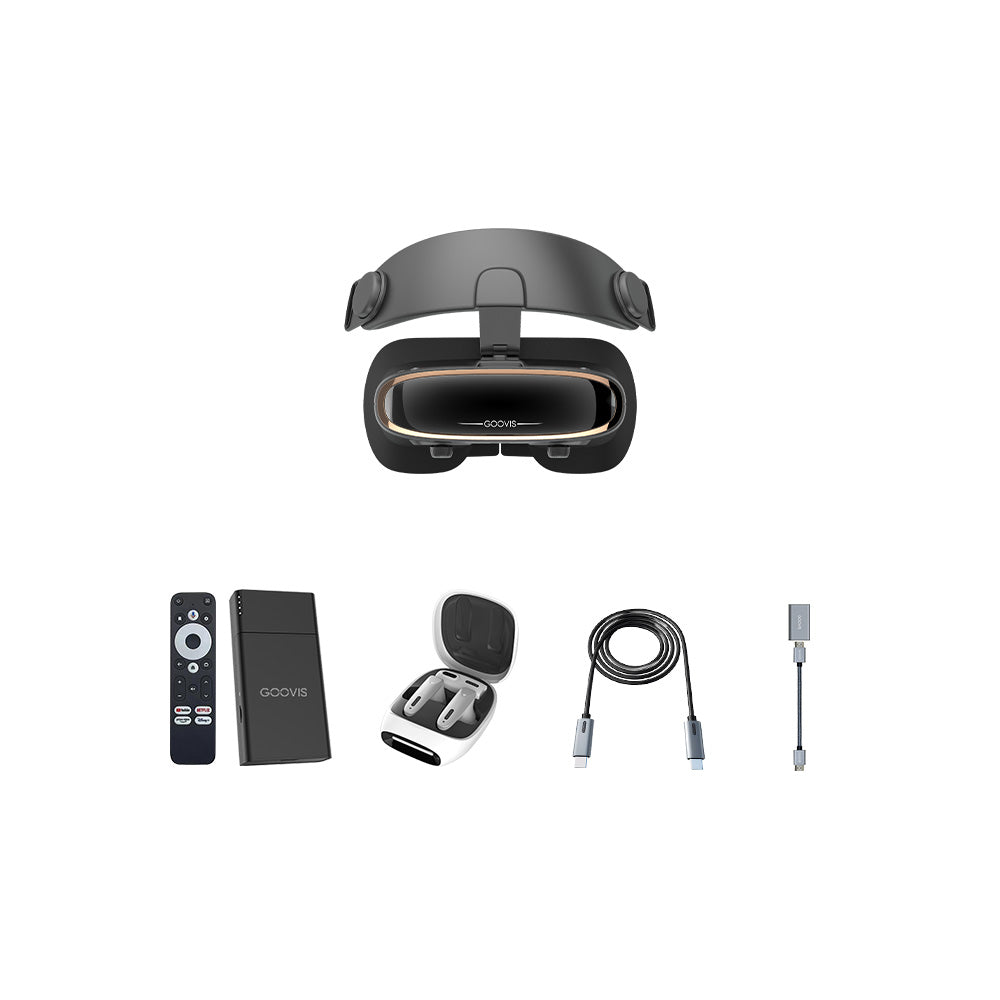
Across these applications—unbroken focus, ergonomic endurance, and environmental resilience—we at GOOVIS have dedicated our Near-Eye Display expertise to serving professional unmanned systems operators. Our NEDO Professional Near-Eye Display Solutions offer an ergonomically refined wearable design optimized for extended use, complete with customizable diopter adjustment and prescription compatibility. Furthermore, our head-mounted display systems are purpose-built for robust environmental adaptability, maintaining consistent visual performance across demanding conditions. When you choose GOOVIS as your VR with headset partner, you gain a navigation tool that enhances precision, reduces fatigue, and performs reliably mission after mission. We invite drone enterprises and inspection teams to experience the difference.


