


#153 How a Virtual Reality Head-Mounted Display Elevates Surgical Training and Simulation
Across leading medical institutions, we have observed a critical shift: surgical education is moving away from cadaver labs and toward immersive digital simulation. However, not all visualization tools are equal. Many conventional systems introduce eye strain, poor depth perception, or color distortion—flaws that undermine the very purpose of simulation. That is why we are focusing on a new standard: deploying a high-fidelity virtual reality head-mounted display designed specifically for precision medical training. In this article, we share how advanced head-mounted display technology is transforming surgical simulation, enabling safer learning curves and more confident operating room performance.
Why Conventional Displays Undermine Surgical Simulation
Standard monitors or low-end head-mounted display solutions often fail to deliver accurate spatial judgment. Surgeons in training must perceive tissue planes, instrument depth, and anatomical relationships with near-absolute fidelity. When a virtual reality head-mounted display introduces brightness loss or color compromise, trainees develop faulty visual instincts. Our work with medical partners has shown that stable 3D visualization is non-negotiable. With NEDO Medical Visualization Solutions, we deliver stable 3D imaging without the brightness or color trade-offs typical of conventional 3D displays. This ensures that every simulated incision and suture benefits from accurate, high-confidence depth perception, supporting clear spatial judgment throughout training scenarios.
Advanced 3D Visualization for High-Stakes Simulation
The core requirement for any surgical head-mounted display is the ability to render true stereoscopic depth without visual fatigue. Our virtual reality head-mounted display architecture achieves precisely that—preserving full luminance and color accuracy while generating stable 3D imagery. For procedures ranging from laparoscopic suturing to microsurgical anastomosis, trainees can perceive tissue layers and instrument tips with cinematic clarity. This level of fidelity accelerates skill acquisition and reduces the cognitive load associated with poor optics. We have seen simulation centers reduce training time by nearly 25% (in clinical clientcases) simply by upgrading to optically superior head-mounted display technology.
Enhanced Team Collaboration Across the Operating Suite
Surgical training is rarely a solo activity. Modern curricula require attending surgeons, residents, and scrub nurses to share a unified visual perspective. Our virtual reality head-mounted display platform supports real-time image sharing across multiple head-mounted display units, plus 180° image rotation. This ensures that team members at different positions around the table see the exact same orientation and anatomical detail. Seamless team coordination, precise workflow alignment, and highly efficient collaborative procedures become achievable—not just in simulation, but as a direct transferable skill for live surgery.
GOOVIS: Your Partner in Precision Medical Visualization
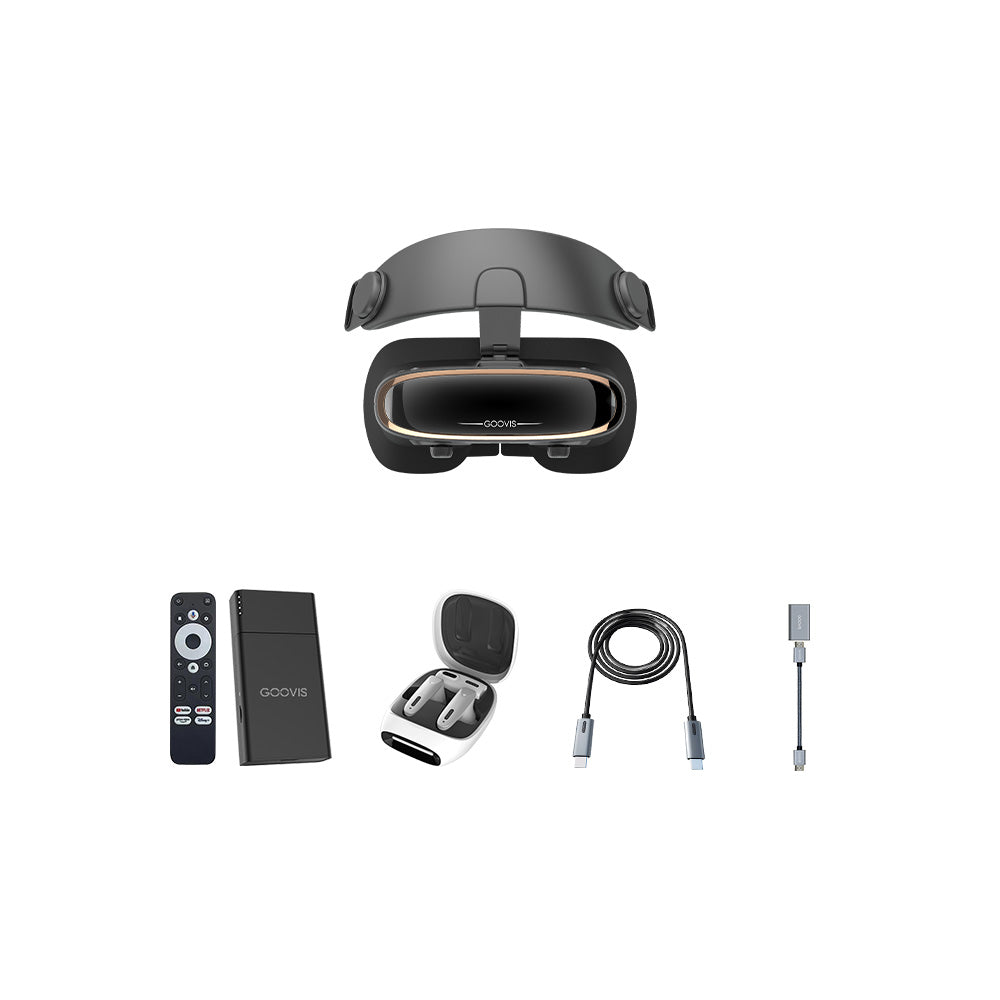
The adoption of a high-performance virtual reality head-mounted display for surgical simulation is no longer experimental—it is a standard of care in forward-thinking institutions. At GOOVIS, we have spent nearly a decade redefining Near-Eye Display technology. Through our NEDO Medical Visualization Solutions, we deliver head-mounted display systems that combine advanced 3D visualization with enhanced team collaboration, ensuring that every training session builds real-world competence. When surgical precision cannot be compromised, we provide the visual foundation you need.


