


#145 How to Enhance Aerial Diagnostics with High-Fidelity Virtual Video and Display Glasses
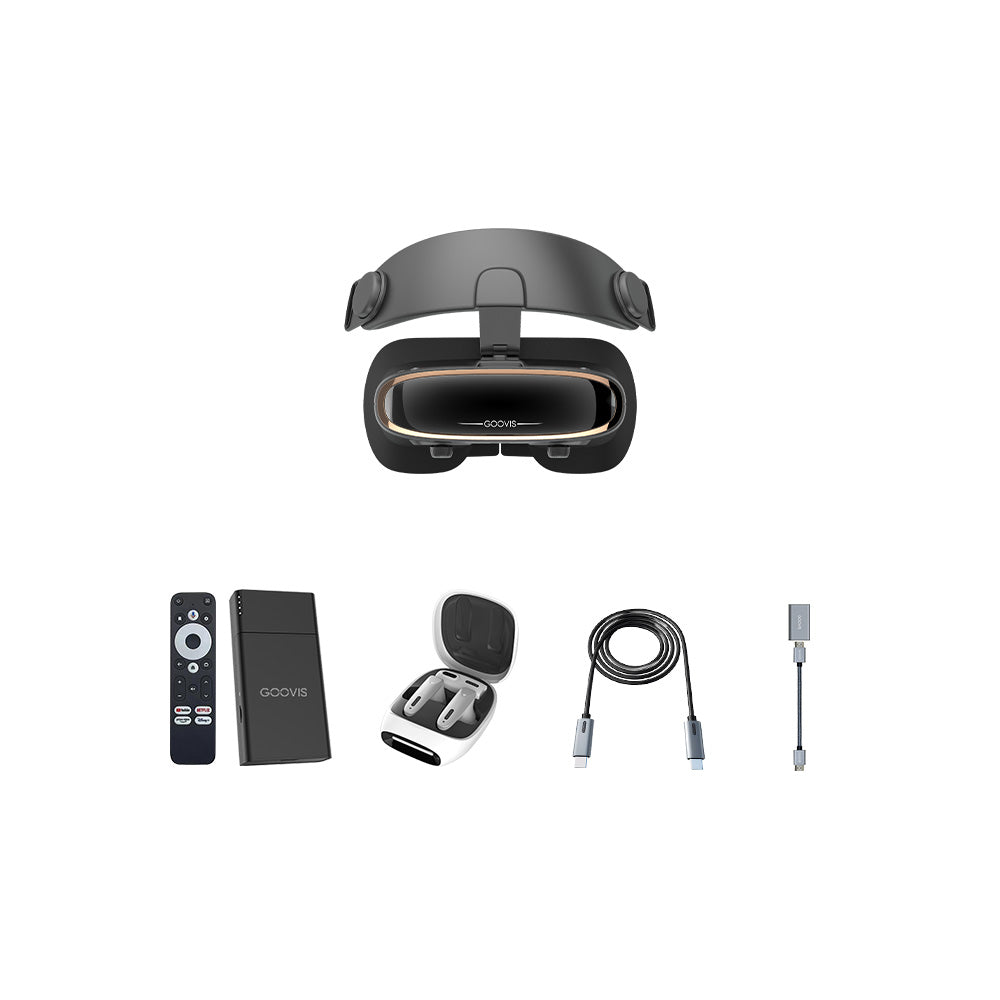
When remote drone inspection becomes mission-critical—whether for power line maintenance, bridge assessments, or wind turbine diagnostics—the weakest link is often the ground-based monitor. We’ve seen teams struggle with glare, poor resolution, and neck strain after hours of hunching over small screens. That’s why we turned our focus to virtual video and display glasses as a game-changing solution. By placing high-definition visuals directly before the operator’s eyes, these tools eliminate environmental distractions and unlock true portability. But not all virtual video and display glasses are created equal, especially for industrial business workflows.
Why Standard Monitors Fall Short for Drone Pilots
Field conditions rarely cooperate. Sunlight washes out LCD screens, and dust or moisture can damage sensitive equipment. More importantly, a drone inspector must maintain situational awareness while studying minute crack patterns or thermal anomalies. Conventional virtual video and display glasses sometimes compromise on clarity or field of view, forcing teams to choose between immersion and safety. We learned that the real bottleneck is optical fidelity: if the inspection feed appears soft or pixelated, tiny defects get missed, leading to costly reinspections or safety hazards. Therefore, selecting video glasses demands more than consumer specs—it requires Near-Eye Display technology built for rigorous, repeatable accuracy.
Clarity and Customization: Non‑Negotiable Requirements
Through extensive pilot testing, we’ve identified two pillars of an effective remote inspection system. First, visual precision. The ideal virtual video and display glasses must reproduce fine details such as hairline fractures or loose bolts without chromatic aberration or edge blur. Second, integration flexibility. Every drone platform and inspection protocol differs, so the display solution needs adaptive inputs and robust mounting options. Proprietary core optical components can resolve long-standing limitations of conventional displays, establishing a benchmark for near-eye clarity. When those components are paired with dedicated R&D support, teams gain the ability to tailor virtual video and display glasses to specific goggle housings, transmission systems, or ruggedized cases.
Our Commitment with GOOVIS
After nearly a decade refining Near-Eye Display technology, we at GOOVIS have engineered lightweight, high-definition head-mounted displays that deliver cinematic brilliance and everyday portability. Our NEDO Professional series embodies cross-disciplinary integration across optical, structural, and platform requirements—ensuring that each inspection team enjoys the highest level of visual fidelity, wherever their drones fly. From advanced customization support to proprietary clarity benchmarks, GOOVIS transforms virtual video and display glasses from a peripheral tool into a core asset for remote drone diagnostics. The result? Fewer re-flights, faster decisions, and truly immersive aerial oversight.


